The Complete Beginner’s Guide to Padel
So you’ve heard about padel. Maybe a friend dragged you to a court, maybe you walked past one of those glass-walled boxes and wondered what was going on inside. Either way, you’re curious — and this guide to padel for beginners covers everything you need to step onto the court with confidence.
Padel is the fastest-growing racket sport in the world, and for good reason. It’s easier to pick up than tennis, more social than squash, and wildly fun from the very first rally. Whether you’re a complete beginner or someone who’s played a few times and wants to understand the game properly, this guide covers everything you need to get started.
What Is Padel? The Basics for Beginners
Padel (sometimes called padel tennis, though purists might twitch at that) is a racket sport played in doubles on an enclosed court about one-third the size of a tennis court. The walls are part of the game — much like squash, you can play the ball off the glass, which adds a whole extra dimension of strategy and fun, and is part of why padel for beginners is so much easier to pick up than tennis
The sport originated in Mexico in the late 1960s and exploded across Spain and Argentina before sweeping through the rest of Europe. Today, it’s one of the most popular sports in Spain, and countries like Sweden, Denmark, the Netherlands, and the UK are experiencing massive growth.
What makes padel special is its accessibility. The underhand serve, the smaller court, and the doubles-only format mean that beginners can enjoy competitive, exciting rallies from day one. You don’t need years of practice to have fun — you just need to show up.
The Padel Court: Your New Playground
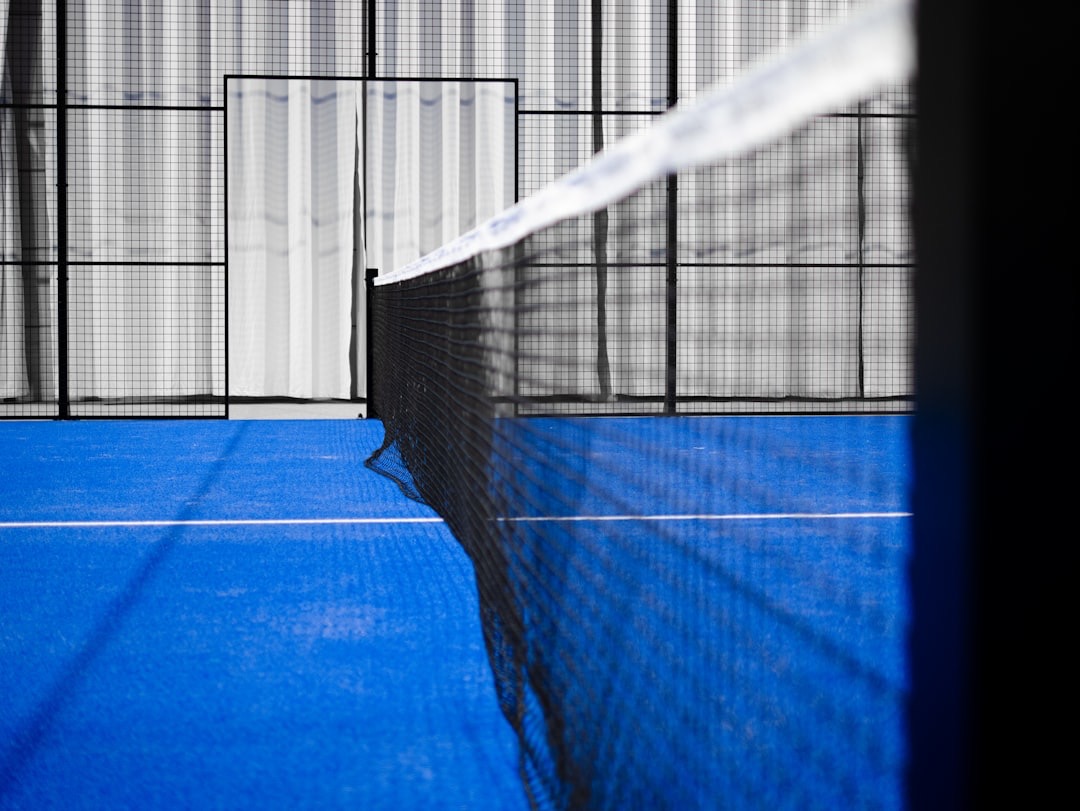
A padel court is 10 metres wide and 20 metres long, enclosed by walls of glass and metallic mesh. A net divides the court in half, slightly lower than a tennis net. The surface is usually artificial turf with sand, though some indoor courts use other materials.
The key features to know:
- The walls are in play. After the ball bounces on the ground, it can hit the glass walls and still be returned. This is the single biggest difference from tennis and what makes padel so dynamic.
- The mesh sections. The upper portions of the side and back walls are metallic mesh. The ball behaves differently off mesh than glass, so you’ll learn to read these bounces over time.
- The service boxes. Similar to tennis, there are service boxes on each side. The serve must land in the diagonally opposite box.
- The doors. Padel courts have openings on each side. And yes — in advanced play, you can actually run outside the court to return a ball. It’s as spectacular as it sounds.
💡 Pro Tip: When you first step onto a court, spend a few minutes just hitting the ball against the back glass to get a feel for how it bounces. It’s completely different from what you’d expect, and a few minutes of practice makes a huge difference.
The Rules: Simpler Than You Think
If you’ve ever played tennis, you’ll pick up padel rules quickly. If you haven’t, don’t worry — they’re straightforward. In this section of our beginner’s guide to padel, we’ll cover all the rules.
Scoring
Padel uses the same scoring system as tennis: 15, 30, 40, game. At deuce (40–40), you need two consecutive points to win the game. Sets are typically played to six games with a tiebreak at 6–6. A match is usually best of three sets.
Many casual games use a simplified format: one set to six or nine games, or just playing for a fixed time. Don’t worry too much about format when you’re starting out — just play.
The Serve
The serve must be hit underhand. You bounce the ball and strike it at or below waist height. The serve goes diagonally into the opposite service box, and it must bounce before hitting the glass (it can’t hit the glass directly off the serve without bouncing first).
You get two serves, just like tennis. A serve that clips the net and lands in is called a let and is replayed.
💡 Pro Tip: Many beginners try to smash their serve. Don’t. A controlled, consistent serve that lands deep in the box is far more effective than a wild powerful one. Focus on placement, not power.
General Play
- The ball must bounce once before hitting a wall. You can’t volley the ball directly into the glass without it bouncing on the ground first on the opponent’s side.
- After the bounce, walls are fair game. Once the ball has bounced on the ground, it can hit any wall and still be returned — as long as it doesn’t bounce on the ground a second time.
- You can’t hit the ball into your own walls. The ball must cross the net before touching any wall.
- Volleys are allowed. You can hit the ball before it bounces (a volley), just like in tennis. Net play is a huge part of padel strategy.
- Out of court play. If the ball bounces on your side and then goes over the back wall or through the door openings, you can run outside the court to return it. The ball just has to go back over the net.
Essential Padel Gear for Beginners
When it comes to padel for beginners, you don’t need much gear to get started
The Racket
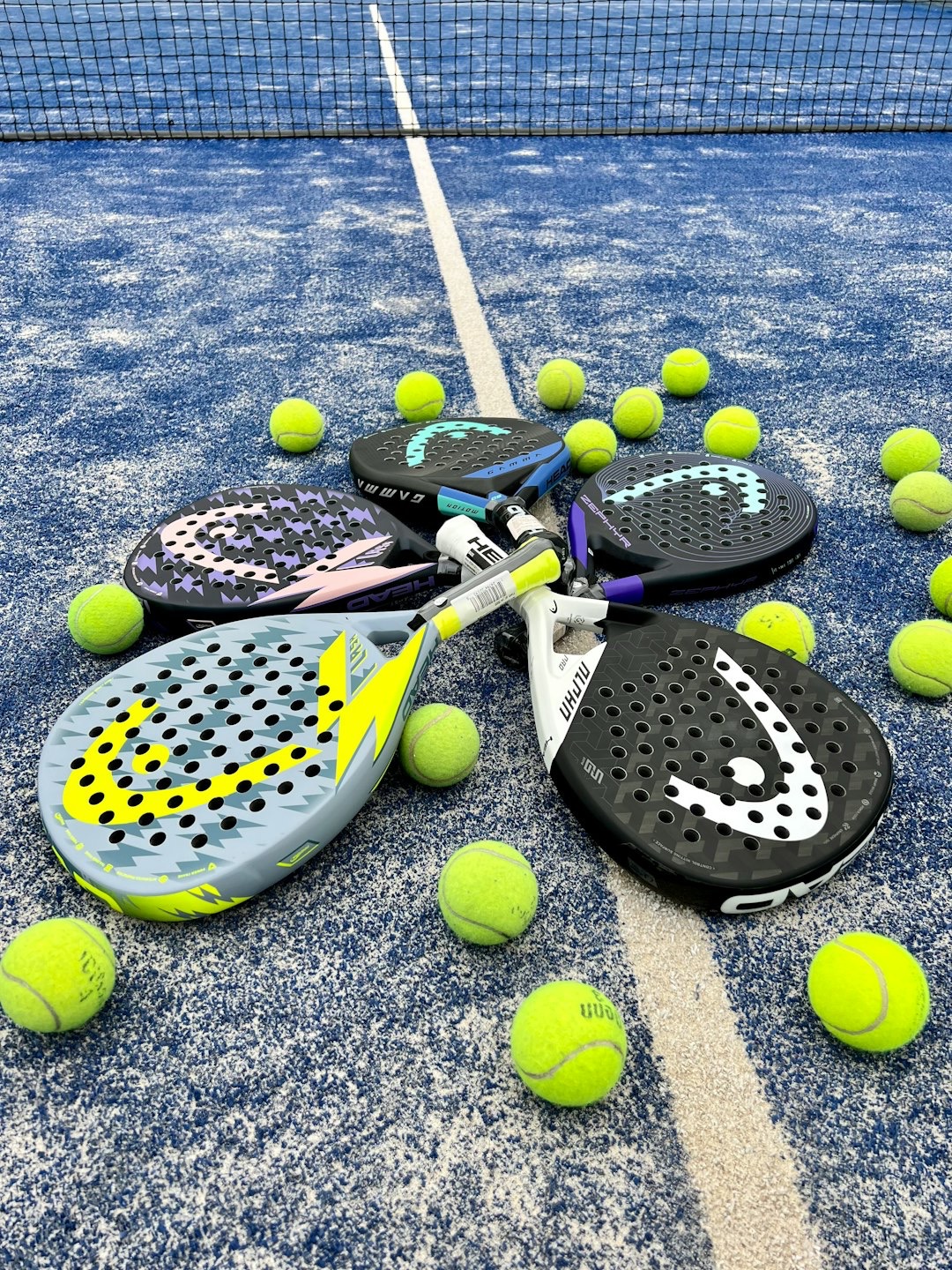
Padel rackets (also called padel bats) are solid — no strings — with holes drilled through the face. They’re shorter than tennis rackets and have a wrist strap that you should always use. There are three main shapes:
- Round (control): A round-shaped racket is the best choice for beginners in padel. The sweet spot is centred, making it more forgiving. These rackets prioritise control and touch over power.
- Diamond (power): The weight is shifted toward the top of the racket, generating more power but requiring better technique. These are popular with advanced players.
- Teardrop (hybrid): A balance between the two. Good for intermediate players who want a bit of everything.
Our recommendation for beginners: Start with a round-shaped racket in the €40–100 price range. You don’t need a top-tier racket to learn — and your preferences will change as your game develops, so save the big investment for later.
💡 Pro Tip: Most padel clubs rent rackets for a few euros per session. Try a few different ones before buying your own. It’s the best way to figure out what feels right in your hand.
Shoes
Proper padel shoes (or clay court tennis shoes) are important. They have a herringbone sole pattern that grips the sandy artificial turf without sticking. Regular trainers can be slippery and increase your risk of injury. If you’re just trying the sport for the first time, any flat-soled gym shoe will do — but invest in proper shoes once you know you’re hooked.
Balls
Padel balls look like tennis balls but have slightly less pressure, which slows them down and makes rallies longer and more enjoyable. Most clubs provide balls, but having your own tin is useful for practice sessions. A standard three-pack costs around €5–8.
Other Gear
That’s genuinely it for essentials. Comfortable athletic clothing, a water bottle, and a small towel are all you need beyond the items above. Overgrips are a popular and cheap accessory (€1–2 each) that give your racket handle better sweat absorption and feel.
Beginner Padel Strategy: Win Points from Day One
You don’t need to be a tactician to enjoy padel, but understanding a few core principles will make the game more fun and help you win more points immediately.
Get to the Net
The net is where points are won in padel. When both you and your partner are at the net, you control the point. When you’re both at the back, you’re defending. The whole game revolves around getting to the net and pushing your opponents back.
Play as a Team
Padel is always doubles, and positioning with your partner is crucial. Think of an imaginary rope connecting you — you should move forward, back, left, and right roughly together. If your partner moves to the left, you shift left too. If they come to the net, you come to the net.
Consistency Over Power
At the beginner level, the team that makes fewer errors wins. You don’t need to hit winners — you need to keep the ball in play and let your opponents make the mistakes. Focus on returning every ball and placing it deep in the court. The fancy shots will come later.
Use the Lob
The lob (a high, deep ball over your opponents’ heads) is one of the most important shots in padel. When your opponents are at the net and you’re under pressure, a good lob pushes them back and gives you time to recover. It’s not flashy, but it’s devastatingly effective.
💡 Pro Tip: The number one mistake beginners make is trying to hit too hard. Padel rewards finesse and placement over raw power. Slow down, aim for the corners, and watch your opponents scramble.
Padel Etiquette: The Unwritten Rules
Padel has a wonderfully social culture, and there are a few unwritten rules that will help you fit right in:
- Always wear the wrist strap. It’s a safety thing. Rackets can slip from sweaty hands, and in an enclosed court, that’s a hazard.
- Call your own lines honestly. In casual play, there’s no umpire. If the ball is out on your side, call it. If you’re not sure, play it as in.
- Rotate partners. Especially in social sessions, it’s common to rotate partners and opponents between games. It’s part of the social fabric of the sport.
- Shake hands after the match. Walk to the net, tap rackets or shake hands with everyone. It’s a simple tradition that keeps the atmosphere friendly.
- Be punctual. Court time is usually booked in 90-minute slots. Arriving late eats into everyone’s playing time.
- Keep noise in perspective. Celebrating points is fine and encouraged. Racket-throwing and excessive complaining are not.
Where to Play
Padel courts are popping up everywhere, and finding one near you is easier than ever. Here are the best ways to locate a court:
- Dedicated padel clubs: Most cities now have dedicated padel facilities with multiple courts, coaching, and social events. These are usually the best option for beginners because they often offer introductory sessions and beginner groups.
- Sports centres and gyms: Many traditional sports centres are adding padel courts. Check your local fitness clubs.
- Booking apps: Apps like Playtomic, Matchi, and Padel Mates make it easy to find courts, book sessions, and even find partners to play with. If you don’t have a regular group yet, these apps are a lifesaver.
Your First Steps
Ready to get started? Here’s what to do this week:
- Find a court near you using Playtomic, Matchi, or a quick search for padel clubs in your area.
- Book an introductory session or social play event. Most clubs offer beginner-friendly sessions where you’ll be matched with other new players.
- Rent a racket for your first few sessions. Don’t buy one yet. Try different shapes and weights to find what feels natural.
- Wear appropriate shoes. Clay court or padel-specific shoes make a noticeable difference in grip and comfort.
- Focus on having fun. Seriously. The technique, strategy, and gear obsession will come naturally. For now, just enjoy the rallies.
Padel has a way of hooking people fast. The combination of accessibility, social energy, and genuine tactical depth makes it unlike any other sport. Give it one session and see for yourself — we’ll be here when you’re ready for the next step.
Have questions? Drop them in the comments below, or check out our other guides on gear, drills, and strategy at smashandglass.com. Welcome to the world of padel. 🎾